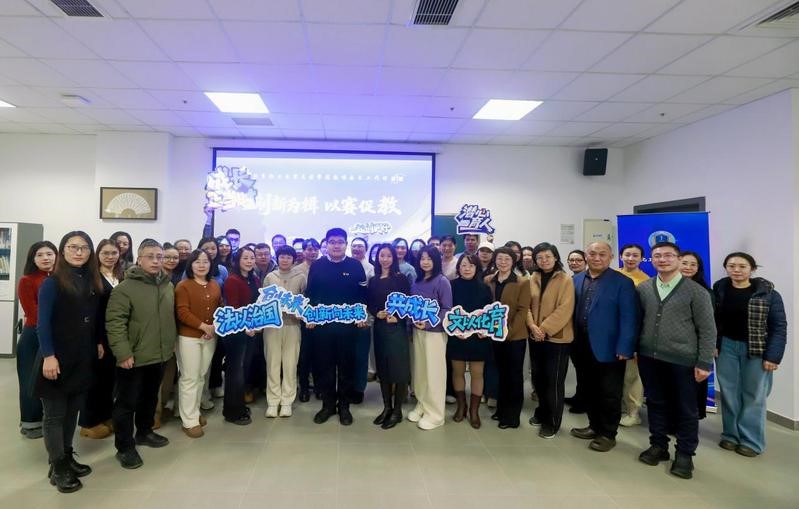
Faculty Development Workshop (Session I): Innovation as the Oar, Teaching Enhanced through Competition
The first session, themed “Innovation as the Oar, Teaching Enhanced through Competition,” opened with a keynote address by Liang Yongtu, Vice President of the University Party Standing Committee, Vice President of Beijing University of Chemical Technology, and Dean of the College of Humanities and Law.
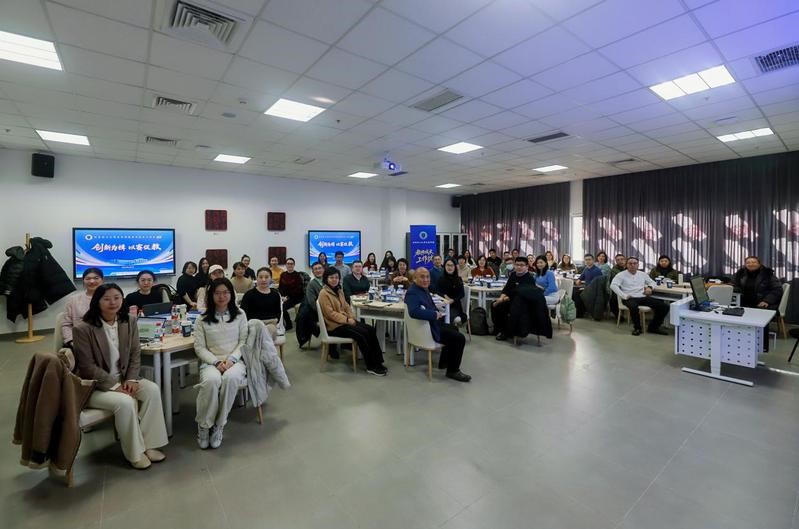
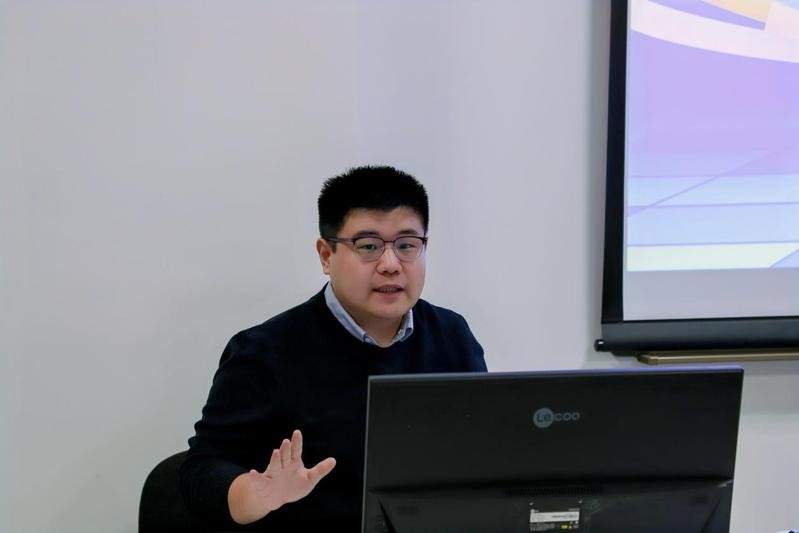
Wu Ning, Associate Professor from the College of Marxism, delivered a specialized training and guidance session on the Teaching Innovation Competition, while Zheng Xiuying, Secretary of the Party Committee of the College, delivered the concluding the remarks. The workshop was chaired by Xue Changlei, Vice Dean of the College of Humanities and Law.
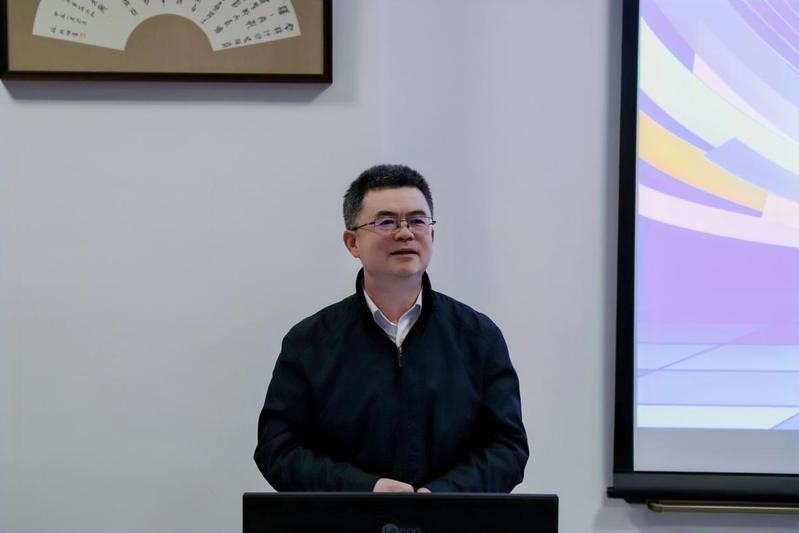
In his opening speech, Liang Yongtu drew on his professional experience to discuss the four key roles and responsibilities of university teachers, offering practical advice on balancing multiple roles. He outlined three core principles for the development of the workshop. First, to establish it as a regular and sustainable faculty development platform. Second, to cultivate brand awareness, and gradually move from basic capacity building towards the presentation of high-level, high-quality achievements. Third, to emphasize top-level design and refined management, ensuring that each session has clear objectives, meticulous planning, and visible outcomes through systematic reflection and phased result presentation.
Liang encouraged faculty members to go beyond as transmitters of knowledge and to become guides for students’ intellectual and moral development. He emphasized the importance of leveraging the workshop as a platform to draw inspiration, sharpen professional skills, and achieve comprehensive advancement in teaching and education.
During the core sharing session, Wu Ning reflected on his professional journey from early teaching challenges to professional growth achieved through innovation and teaching competitions. He emphasized that “competition-driven teaching improvement” is an effective pathway for rapid faculty development, as teaching competitions encourage systematic reflection, stimulate innovative thinking, and promote the integration of teaching resources. He encouraged teachers at all career stages to actively participate and enhance their teaching capabilities through practice.
In the session on competition preparation, Wu Ning provided a detailed interpretation of the rules of the Teaching Innovation Competition and systematically introduced practical aspects such as the design of innovative teaching outcomes, course video recording, and the preparation of syllabi and lesson plans. He noted that competition preparation is essentially a process of comprehensive review and reflection on courses and teaching practices. Classroom design, he noted, should be coherent and narrative-driven, teaching recordings should remain authentic, and instructional processes should highlight student engagement and the organic integration of ideological and political education.
During the interactive discussion, faculty members including Yao Siyu, Zhang Fan, Li Chao, Huang Pingting, Shi Wei, and Hu Yiqi engaged in lively exchanges with Wu Ning on topics such as the highlights of teaching innovation, differentiated instruction, competition track selection, the transformation of research into teaching, the integration of curriculum-based ideological and political education, and student classroom engagement. Wu Ning responded thoughtfully and in detail to each question.↳
In her concluding remarks, Zheng Xiuying emphasized that the workshop is expected to play three key roles. First, as a “power station,” it provides targeted support and empowerment in areas such as teaching reform and innovation, research capacity enhancement, and talent cultivation quality improvement. Second, as a “connector,” it integrates internal and external expert resources, promotes communication and collaboration among faculty from diverse disciplines or backgrounds, and stimulates cross-disciplinary thinking and innovation; Third, as an “incubator,” it nurtures ideas and initiatives into outstanding teaching projects, competition achievements, and research outcomes.
She underscored that the Faculty Development Workshop is not only a platform for learning and exchange, but also a home for innovation and outcome cultivation. She expressed the hope that all faculty members will actively participate and work together to make the workshop a new starting point and a new high ground for sustained faculty development within the College.