
Beijing University of Chemical Technology Holds Signing Ceremony for the Training Base for Outstanding Rule-of-Law Professionals and Awards Ceremony for the First Intellectual Property Competition
Liang Yongtu, Member of the University Party Standing Committee, Vice President, and Dean of the College of Humanities and Law, delivered opening remarks. Zheng Xiuying, Party Secretary of the College, gave the concluding address.

Representatives from 12 legal and intellectual property practice institutions attended the event, including: Beijing Kanglong Law Firm, Beijing King & Capital Law Firm, Beijing Jingsh Law Firm, Beijing Hengdu Law Firm, Beijing Lianggao Law Firm, Beijing Zhongwen Law Firm, Beijing Xinnuo Law Firm, Boss & Young Attorneys-at-Law Beijing Office, Beijing Wanjing Law Firm, Beijing Yuehe Intellectual Property Agency, Beijing Huajia Law Firm, DeHeng Law Offices. University administrative representatives and faculty and student delegates from the College of Humanities and Law were also present.
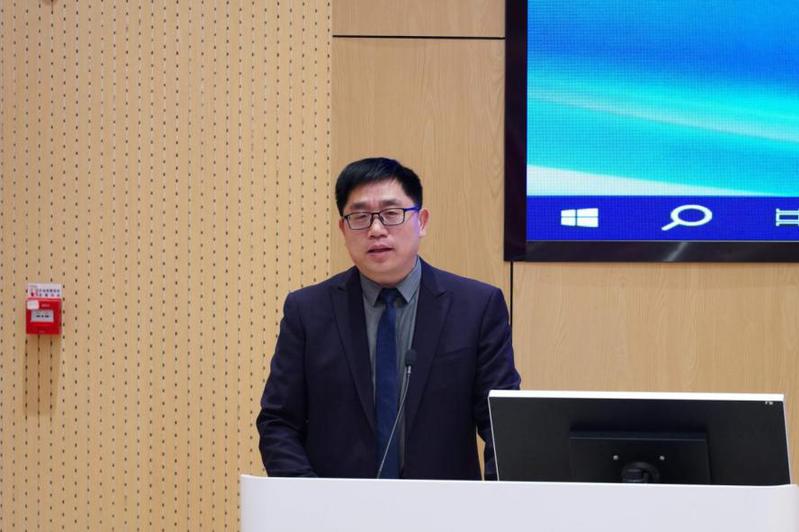
In his speech, Liang noted that the University has fulfilled its mission of educating students and nurturing talent for the country. Leveraging its strengths in chemical engineering, materials science, chemistry, and bioengineering, the University has integrated rule-of-law education and intellectual property protection into talent cultivation, scientific research, and social services. Through these efforts, it actively serves national strategies for building a strong intellectual property nation, a science and technology powerhouse, and a law-based country. The College has continued to advance the development of the law discipline and the cultivation of intellectual property professionals in an attempt to form a distinctive, integrated undergraduate-to-graduate training system and pioneering an interdisciplinary path characterized by “Law + Engineering + Industry.” The joint establishment of the training base with leading law firms and intellectual property institutions is an important step in deepening industry-education integration and strengthening practice-based education. It will help bring legal practitioners into the classroom and provide students with first-hand exposure to legal practice, thereby cultivating interdisciplinary legal professionals with knowledge of law, technology, rules, and international practices.

A representative of the partner institutions, Fu Zhenkun, Director of Beijing Kanglong Law Firm, remarked that the joint training base marks a crucial step in aligning legal education with legal practice. Facing the new demands placed on legal professionals by technological development and industrial transformation, the partner institutions will provide students with access to high-quality practical resources, work with the University to develop innovative training models, and jointly cultivate future legal professionals who are deeply grounded in their field and well informed about industry practice.
During the signing session, the College of Humanities and Law signed cooperation agreements with the 12 partner institutions, which marks further progress in expanding high-quality practice-based education resources, building a university–law firm–enterprise collaborative training mechanism, and promoting closer alignment between legal education and the legal profession.
The Intellectual Property Competition serves as an important initiative to promote learning, training, and application through competition. Focusing on both intellectual property law theory and practical application, the competition aims to guide students in improving their professional competence through real-case analysis, application of legal rules, standardized legal expression, and comprehensive argumentation.
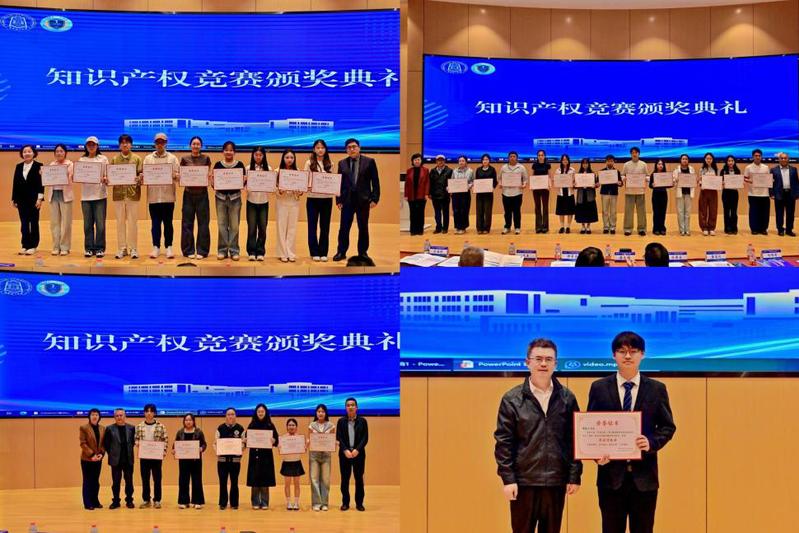
The awards ceremony covered three events: the University’s First IP Knowledge Competition, the “Wanhuida Cup” National University IP Trademark Debate Competition organized by the China Trademark Association, and the “Wanhuida Cup” IP Moot Court Competition hosted by Beijing Foreign Studies University. A total of 353 students from various schools and colleges across the University participated in the in-house IP Knowledge Competition, including students from the schools of Information Science and Technology, Mechanical and Electrical Engineering, Materials Science and Engineering, Life Science and Technology, Economics and Management, and Humanities and Law. Guests and university leaders presented awards and took group photos with the winners.
Two themed forums were held following the ceremony.
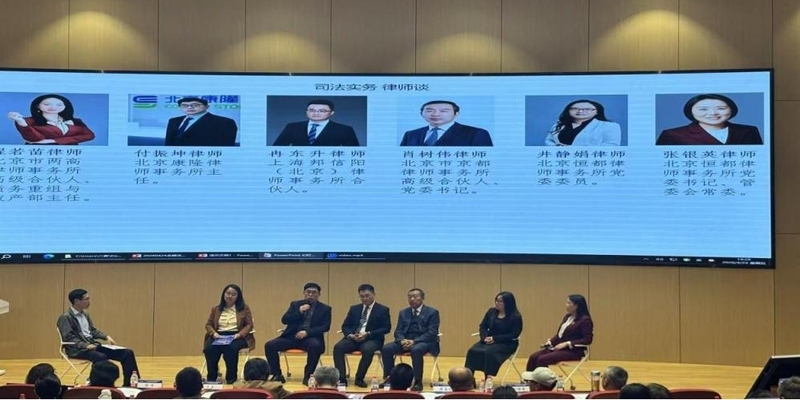
Forum I: Legal Practice Perspectives, chaired by Professor He Yudong, featured discussions on bankruptcy reorganization, trade secret protection, patent litigation, brand protection, AI-generated content, data compliance, and IP protection in emerging sectors such as new energy and biomedicine. Speakers emphasized the closer integration of IP legal services with technological innovation, industrial upgrading, and corporate governance. They noted that young legal professionals should not only build a solid foundation in law, but also develop an understanding of industry logic and technological contexts, so as to strengthen their interdisciplinary competitiveness at the intersection of legal rules and industrial practice.
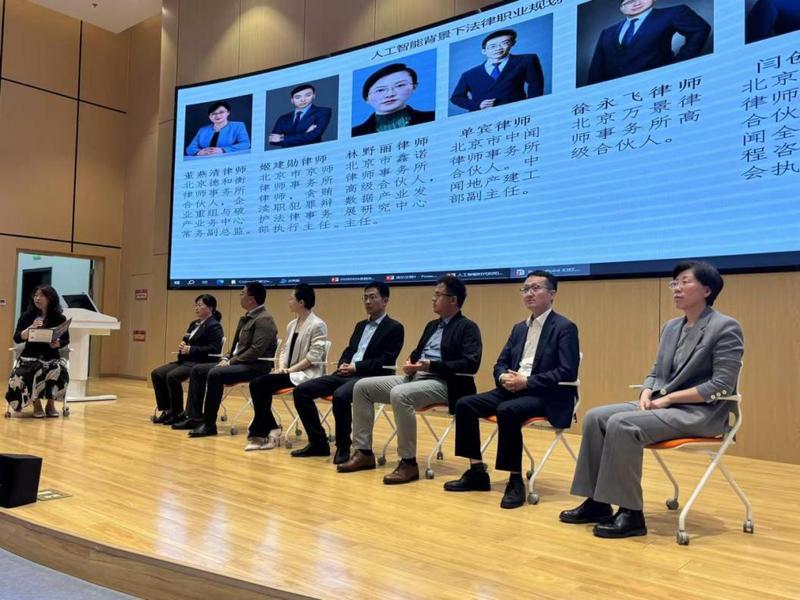
Forum II: Legal Career Planning in the Age of Artificial Intelligence, chaired by Professor Fan Xiaobo, explored how AI is reshaping the legal profession. Speakers encouraged students to make good use of AI tools to improve efficiency in legal research, analysis, writing, and management, while maintaining critical thinking, professional judgment, and ethical responsibility. They also reminded students not to delegate thinking, analysis, judgment, and decision-making entirely to technology. In planning their careers, students should attach importance to professional competence, communication skills, logical reasoning, professional ethics, and lifelong learning.
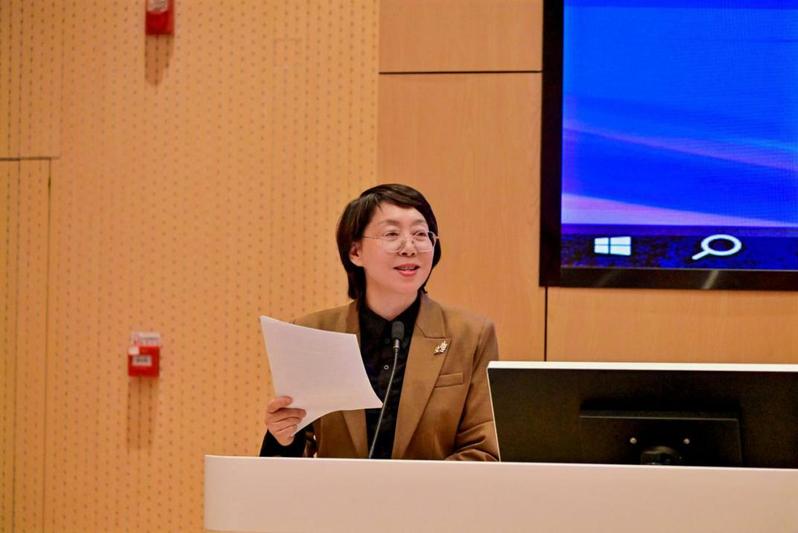
In her concluding remarks, Zheng highlighted that the event represents a concrete step in advancing university–practice collaboration, cultivating outstanding rule-of-law professionals, and serving the national strategy of building a strong intellectual property nation. She expressed hope for deeper cooperation with partner institutions in curriculum development, internships, case teaching, career guidance, and research collaboration. The College will continue to draw on the University’s engineering strengths, further develop its distinctive feature of “Law + Intellectual Property + Technological Innovation,” and work with partner institutions to cultivate outstanding legal professionals with both moral integrity and legal competence, and with unity of knowledge and practice.
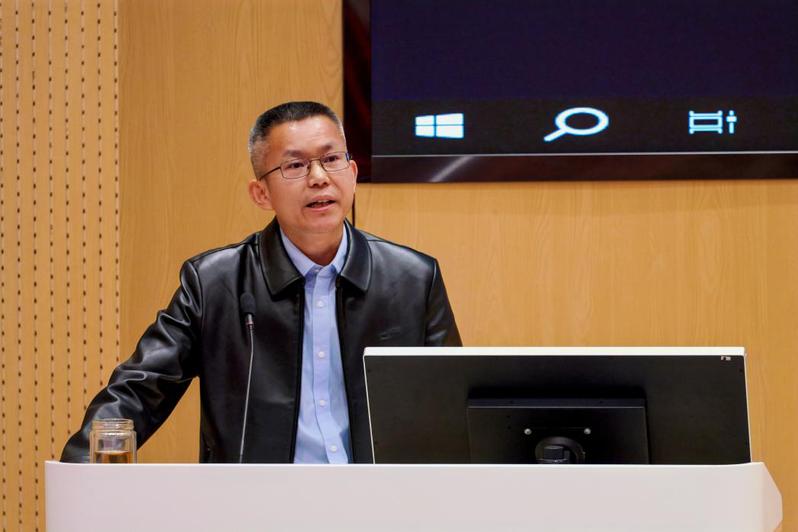
Following the event, Professor Yu Jun delivered a lecture titled “New Intellectual Property Issues in the Age of Artificial Intelligence,” which helped faculty and students better understand emerging IP issues brought about by artificial intelligence and the future direction of rule-of-law development in the AI era.
This event further expanded the College of Humanities and Law’s practice-based education platforms and strengthened its interdisciplinary approach to legal education, particularly the integration of “Engineering + Law.” It also promoted closer connections among intellectual property law education, legal practice, technological innovation, and industrial development, laying a solid foundation for building a high-level training system for outstanding rule-of-law professionals in the new era.
