
College of Humanities and Law Holds Teaching Skills Competition for Early-Career Faculty
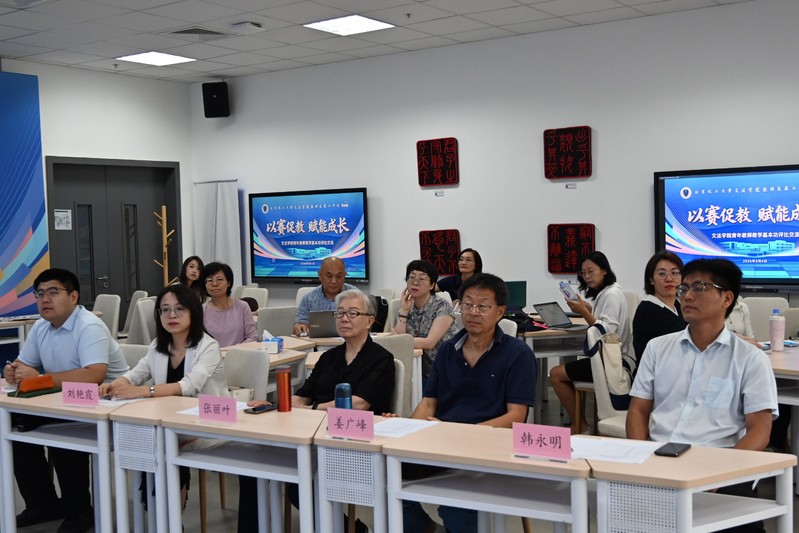
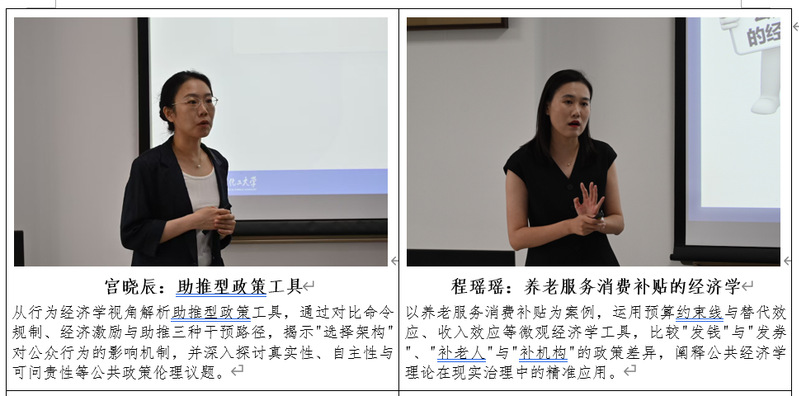
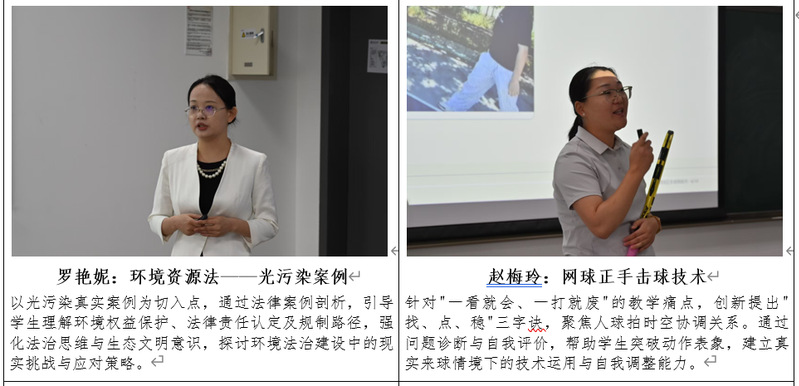
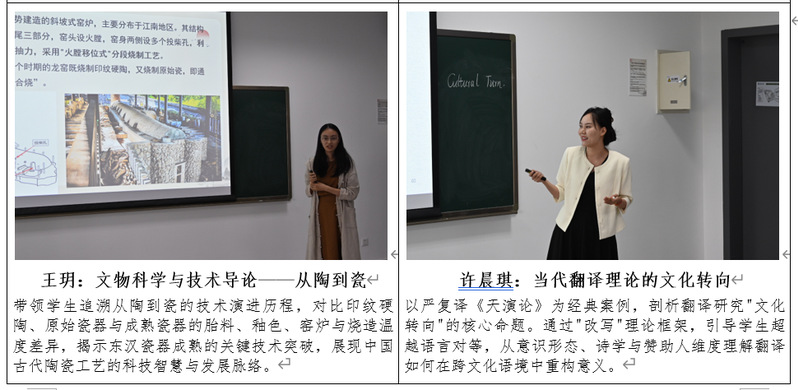
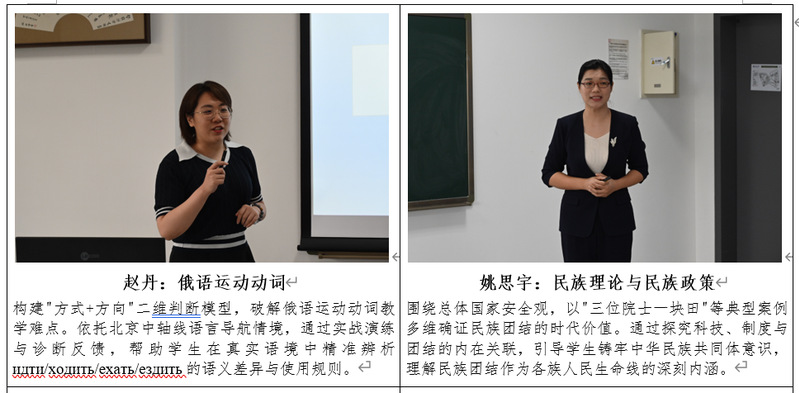
To advance classroom teaching reform, strengthen early-career faculty members’ teaching skills, and provide a platform for them to share their work and learn from one another, the College of Humanities and Law held its 2026 Teaching Skills Competition and the eighth session of its Faculty Development Workshop on the morning of September 4. Five experts from BUCT and past winners of the competition served as judges. Thirteen early-career faculty members from the Departments of Law, Public Administration, Foreign Languages, and Physical Education competed. College leaders and other faculty members observed the event.
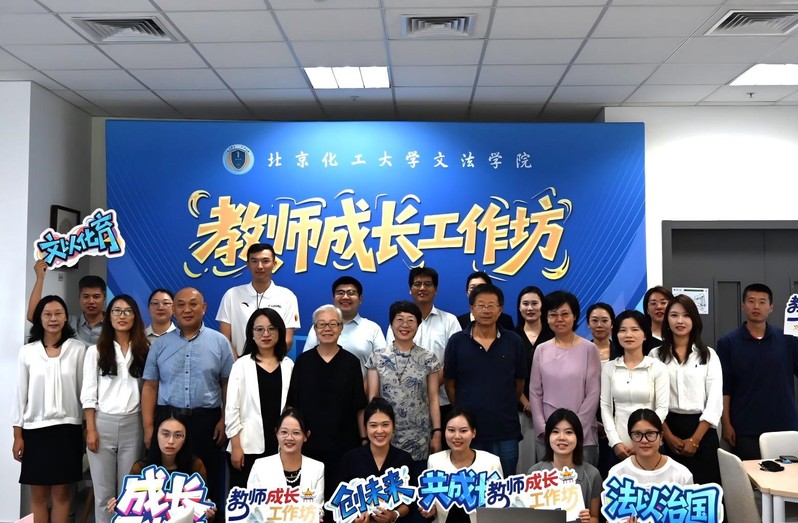
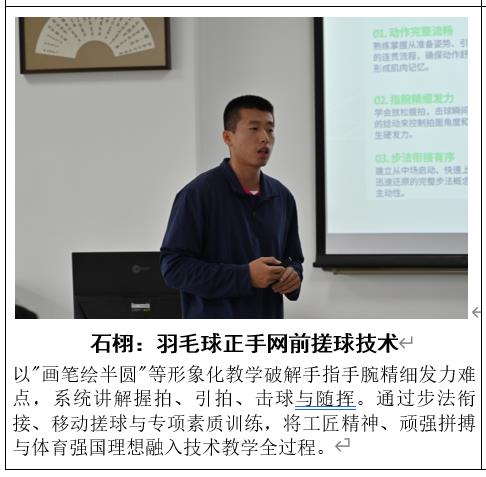
During the competition, participants used multimedia, online resources, and other teaching tools to present their lesson plans and classroom teaching. Their lesson designs incorporated values education, interaction between instructors and students, and the use of AI. Guided by the principle of learning through competition and supporting faculty growth, the judges assessed lesson design and classroom teaching. They offered detailed feedback on lesson content, course structure, interaction, board design, values education, and the use of AI. Their comments offered participants practical ideas for improving their teaching and gave observing faculty members useful insights.
After the competition, Cheng Yaoyao and Gong Xiaochen earned high praise from the judges for their strong teaching skills, creative lesson designs, and engaging classroom presentations. They will represent the College at the University’s upcoming 15th Teaching Skills Competition for Early-Career Faculty.
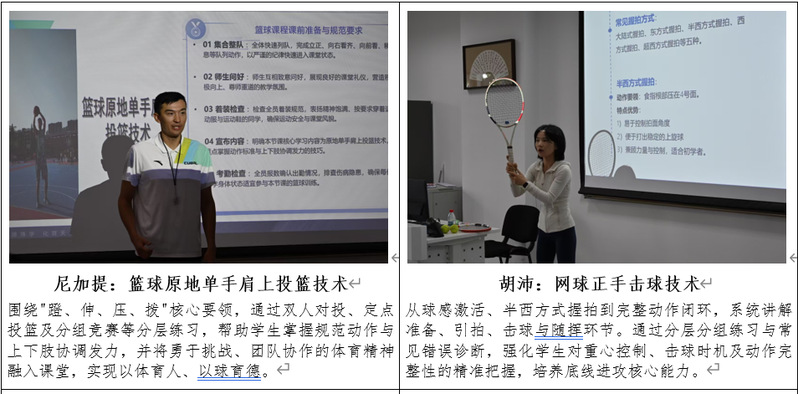
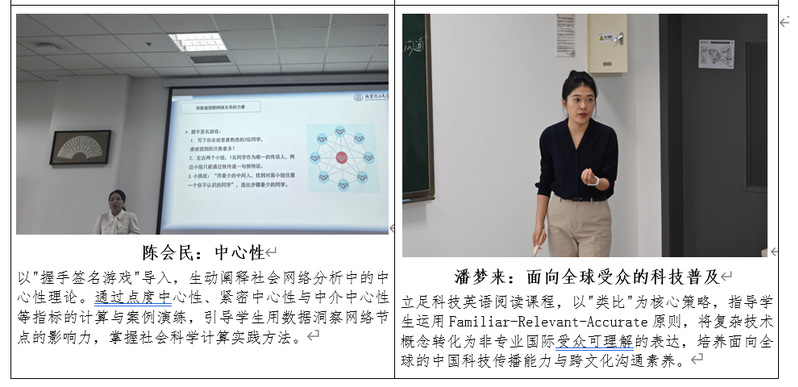
The competition is one of the College’s efforts to improve teaching quality and support faculty development. It encouraged early-career faculty to update their teaching approaches and explore modern methods. The judges’ feedback and exchanges between experienced and early-career faculty also gave participants ideas for further developing their courses. These efforts support the College’s work to improve instruction and prepare highly skilled graduates.
