
Teaching and Learning | College Holds Information Session and Student Meet-and-Greet for Global Governance and International Competence Micro-Major
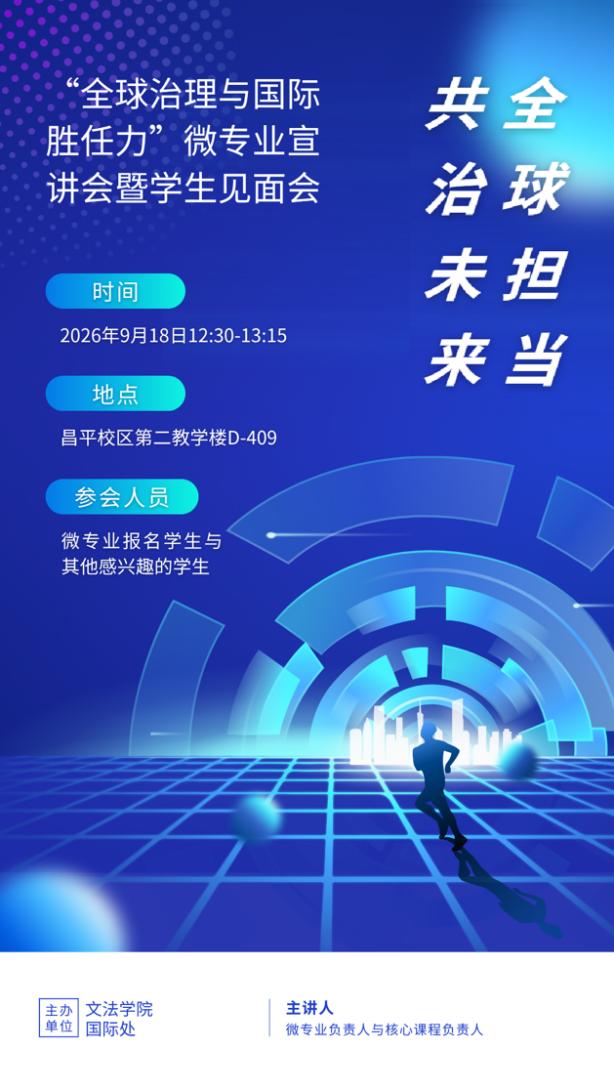
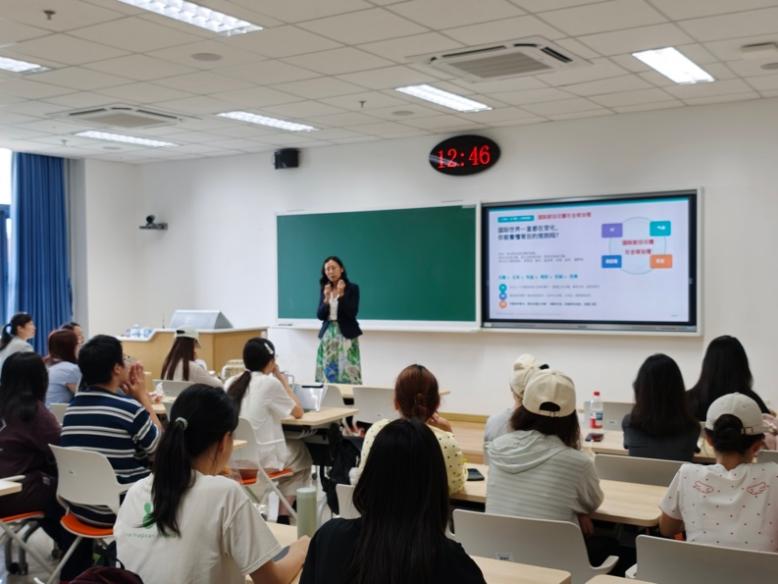
To support the development of high-level professionals with international expertise and meet market demand for interdisciplinary talent in international affairs, the College of Humanities and Law held an information session and student meet-and-greet for the Global Governance and International Competence micro-major. The event introduced the program’s curriculum and practical training opportunities.It took place on September 18, 2026, in Room D-409 of Teaching Building No. 2 at BUCT’s Changping Campus.The micro-major director and core course instructors presented the program. Second- and third-year students from across the University attended, and the interdisciplinary teaching team explained the program’s curriculum and training plan.
Zhou Xueying, the micro-major director, introduced its context, objectives, curriculum, and completion requirements. In a rapidly changing global environment, China needs professionals with a global perspective and a strong understanding of international rules. In response to the needs of international organizations and Chinese companies expanding overseas, the micro-major is built around three core areas: international rules, intercultural understanding, and practical skills. It is open to second- and third-year students of all majors, including those in science and engineering, and provides a platform for interdisciplinary learning and exchange.
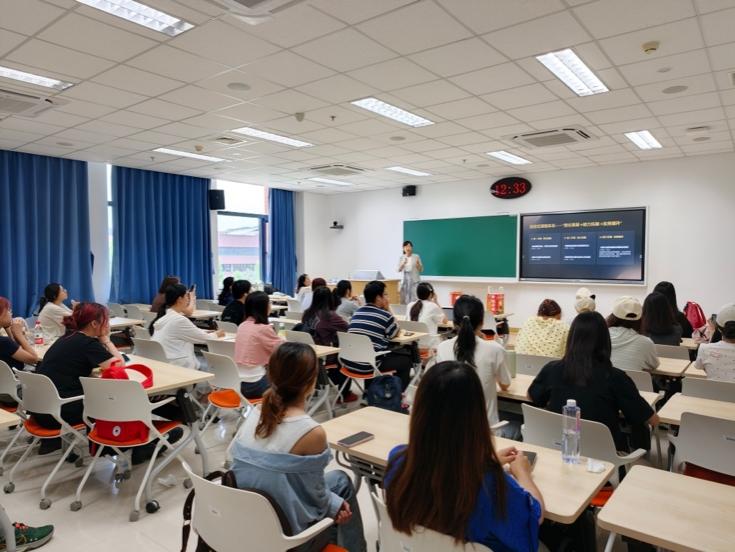
The micro-major takes one and a half years to complete, or three semesters. Students must complete all required courses to receive a certificate from the Academic Affairs Office. They can also earn a certificate in high-level international talent development endorsed by the China Center for International People-to-People Exchange under the Ministry of Education. The program combines students’ existing fields of study with international competence. Graduates may work for international organizations, companies expanding overseas, or other employers with cross-border operations. They can also apply the skills they gain through the program in their own fields.
Intercultural Communication and Global Business Practice
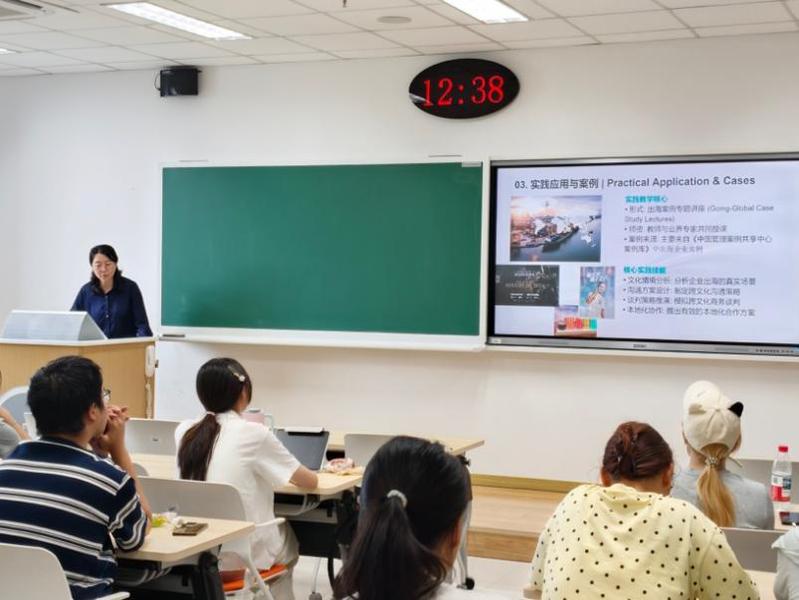
Sheng Haiyan introduced the course Intercultural Communication and Global Business Practice. The course builds on established theories, including high- and low-context communication and cultural dimensions, to give students a framework for analysis. It also examines examples of Chinese companies expanding overseas and includes guest lectures by industry experts. The course helps students apply theory to practice by developing strategies for intercultural communication and localization.It offers a 24/7 online Q&A service and combines formative and summative assessments, with a focus on intercultural analysis and localization planning.
Introduction to Area Studies: Research Methods and Practice
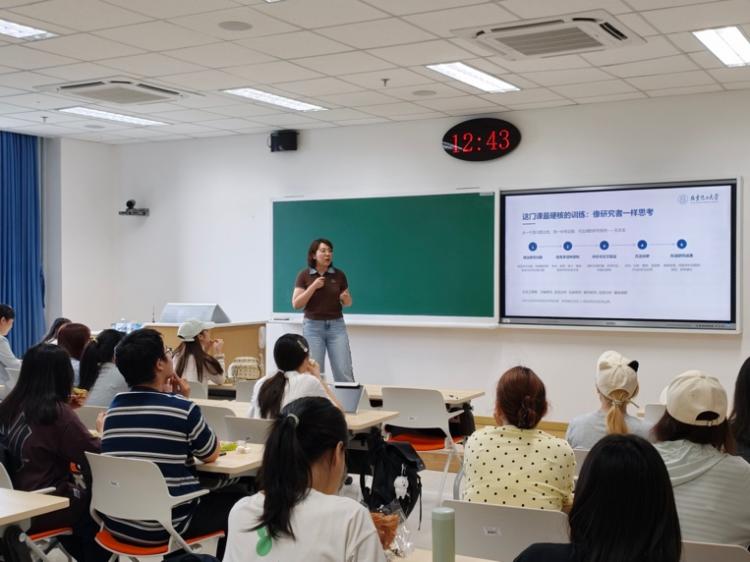
Zhao Dan introduced Introduction to Area Studies: Research Methods and Practice.Rather than offering a basic overview of individual countries, the course trains students to analyze regions and understand the historical, cultural, and geopolitical factors that link countries within them.Students apply theories to country case studies and build research skills through information searches, group projects, and presentations.
Emerging Global Issues and Global Governance
Zhang Fan introduced Emerging Global Issues and Global Governance. The course helps students turn current events into research questions and apply concepts such as transnational public issues and polycentric governance to topics including peace, development, climate change, and public health. Students learn to analyze issues independently, evaluate evidence, and develop and present practical solutions.
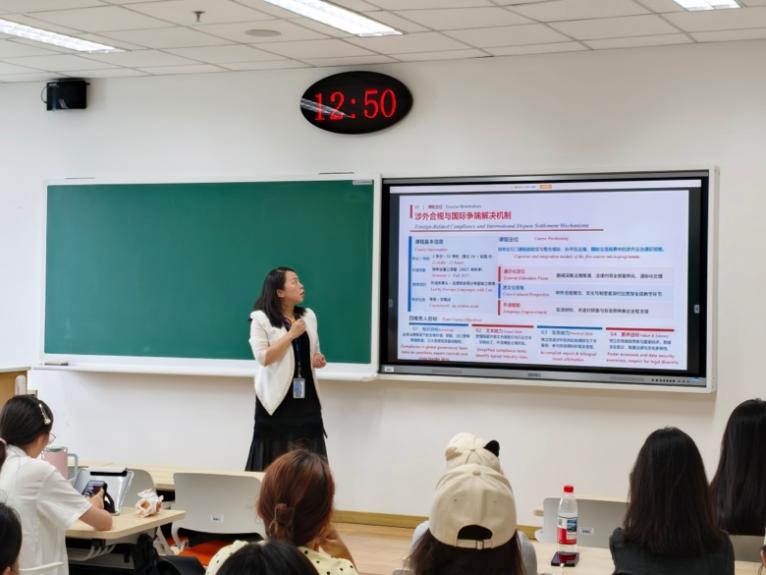
Cross-Border Compliance and International Dispute Resolution
Zhang Shufang introduced Cross-Border Compliance and International Dispute Resolution. Taught jointly by faculty members with legal backgrounds from the Departments of Foreign Languages and Law, the course uses case studies to teach legal principles, while highlighting cross-cultural differences in legal and institutional frameworks. Topics include compliance fundamentals, sanctions and export controls, cross-border data compliance, and international commercial arbitration. Through case reviews, research reports, moot arbitration exercises, and visits to relevant institutions, students develop skills in reading legal texts in both Chinese and English, identifying risks in overseas operations, and handling cross-border legal matters.
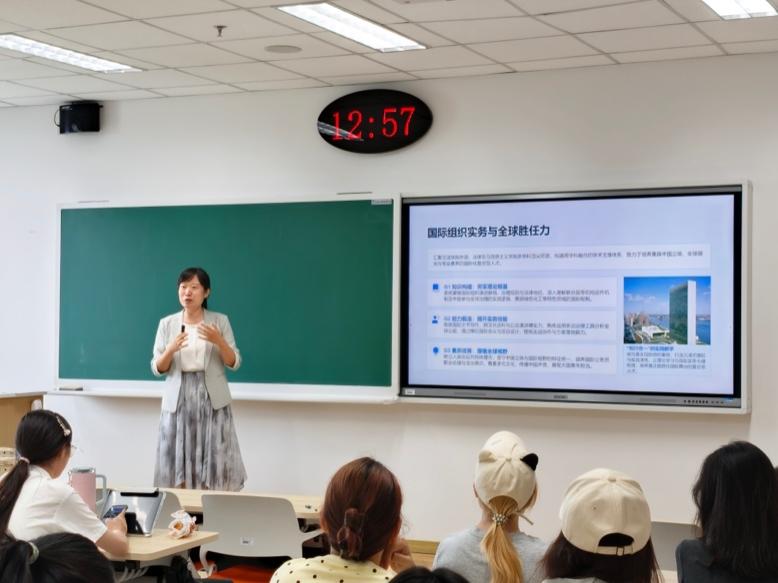
Practice in International Organizations and Global Competence
Zhou Xueying introduced Practice in International Organizations and Global Competence. Building on earlier coursework, the course covers the UN system, the legal frameworks governing international organizations, official document writing, multilateral negotiations, and public speaking. Activities include Model United Nations, role-playing, and mock interviews for international organizations. Guest speakers from the field also share their experience. The course helps students articulate China’s perspectives, broaden their international outlook, and strengthen their practical communication and problem-solving skills in multilateral settings.
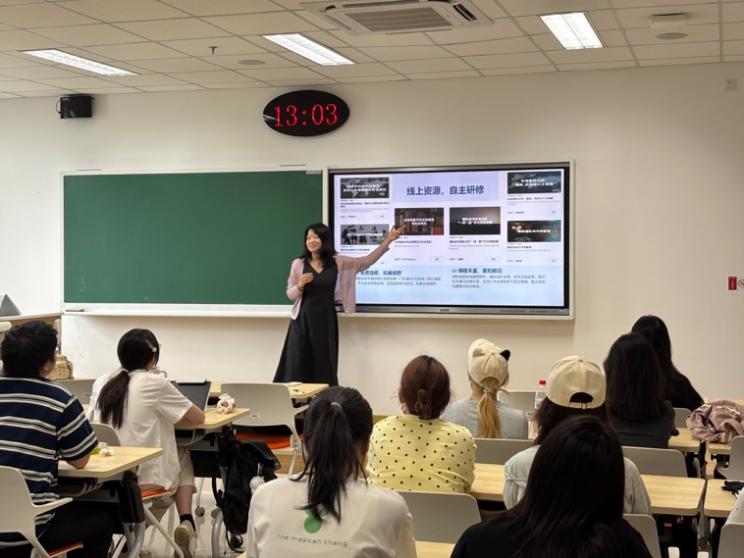
Online and In-Person Learning: Integrating Study, Research, and Practice
Liu Enhua, who oversees the micro-major’s practical training, described practice-based learning as one of the program’s distinctive features. The program combines online and in-person learning to connect coursework with practical work in international settings. Students can take selected online courses free of charge each semester. In-person activities include immersive experiences, discussions with experts, research projects, hands-on training with companies expanding overseas, Model United Nations, institutional visits, and moot arbitration exercises. Together, these activities connect classroom learning with real-world practice.
The event introduced the micro-major’s goals, curriculum, and practical training model, and provided students interested in international work with a platform for further development. As part of BUCT’s efforts to develop internationally minded talent, the micro-major brings together students from different academic backgrounds through interdisciplinary courses and practical training. It helps them broaden their global outlook, understand international rules, and develop skills for cross-border work. The College will continue to develop interdisciplinary international programs, encouraging students to build on their academic majors and develop expertise in global governance. It aims to prepare BUCT graduates whocan combine a strong understanding of China with an international outlook and can contribute to international work and communicate China’s perspectives to global audiences.
